The curse of Glen Jupin
September 7th, 2026
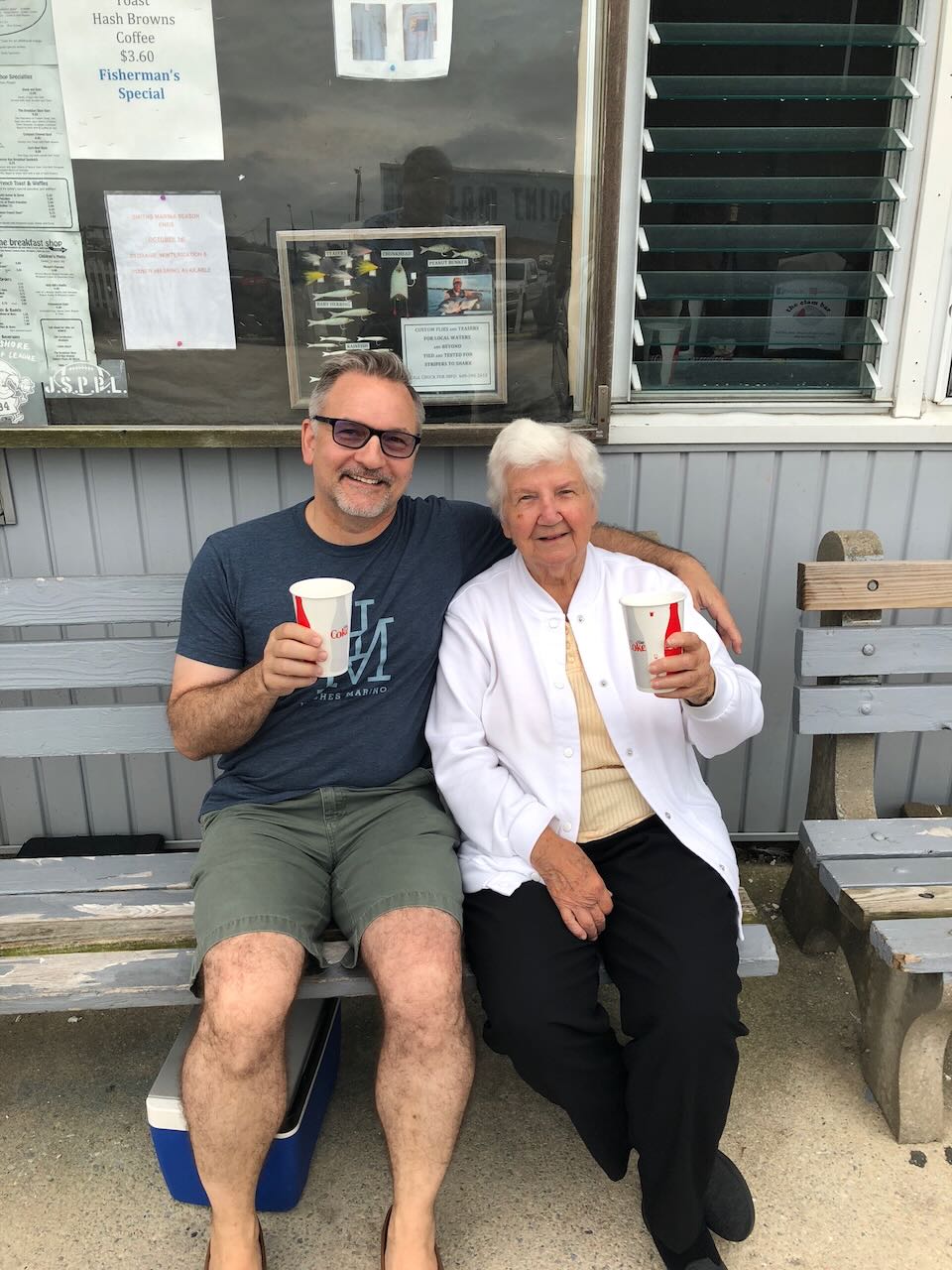
Not Glen Jupin. But close enough.
A couple of weeks ago, some friends and I went to a late-night screening of “The House of Dark Shadows,” the first of two movies drawn from the 1960s gothic horror television soap opera, using the same cast and crew (but somehow not most of the continuity).
The screening was hosted by the comedian and former “Simpsons” writer Dana Gould, who is about the same age as I am and who also grew up watching the show and loving it. I don’t know why some kids grow up running away from scary things while others among us grow up running toward them. When I was a kid, in the top 10 of what I wanted to do any time I could was to go to Brigantine Castle, the haunted-house attraction then on a pier near where I grew up, where minimum-wage kids and would-be actors would enact various scary scenes and jump out at you from darkened corners. Other children, including my two cousins visiting once from Pennsylvania, set a few feet into it and then ran out screaming. Most years, I still go to Knotts Scary Farm or, last year, Universal Horror Nights, but I’ve got to say, I miss Brigantine Castle.
Dana Gould and I continue to be “Dark Shadows” fanboys. After the screening, we compared notes about behind-the-scenes trivia we’d learned over the years. I shared with him how unhappy Jonathan Frid was with the movie because the conflicted vampire he played, Barnabas Collins, was not conflicted on this screen — he was pure evil — and that was why Frid refused to do the sequel. (Instead, it focused on the Collins family’s werewolf.) Dana topped me by sharing his most recent personal conversation with Kathryn Leigh Scott, now 82, who played Maggie Evans. About 30 of us showed up for this screening, which let out just before midnight, and most of us were eager to keep talking about the show and what it meant to us when we were kids.
Thinking about all this reminded me once again of Glen Jupin.
Glen Jupin was the little boy who when we were each about six years old, was the daily impediment to my viewing of “Dark Shadows.” My grandmother would pick us both up from kindergarten or first grade and watch us in the afternoons while our mothers worked. Our television desires could not have been more different. We know what I wanted to watch every day from Monday through Friday at 3:30 p.m. But Glen Jupin wanted to watch middle-aged people do kiddy voices and play around with puppets. Once in a while, I’d get my way, but all too often I was thwarted because he’d complain my show was too scary, and then get my grandmother involved.
Tonight, I wasted about 20 minutes searching online for Glen Jupin. What had happened to him? Had he stayed in southern New Jersey? Had he amounted to anything? Was he somehow now blocking other people from their enjoyment?
In all my searching, I could find only one reference online to Glen Jupin. It turned out to be my own blog. It seems that 14-and-a-half years ago, I was even then complaining about Glen Jupin and his… his… kiddishness.
Some things you just never get over.
And, to a small degree, in an ironic twist straight from an old EC horror comic, I’ve accidentally immortalized Glen Jupin.